Blog
How to Choose the Right Custom Promotional Products for Your Brand
Choosing a promotional product is easy. Choosing one that people will actually use is much harder.
There are thousands of products that can carry a logo, from a simple tote bag or cap to custom-made accessories, drinkware and complete gift sets. But a good promotional product should do more than display a brand name. It should make sense for the people receiving it, the occasion it is being used for and the budget behind the project.
For buyers, promotional companies and marketing teams, this usually means looking beyond the product itself.
Material, branding method, quantity, packaging, production time and shipping can all change whether a product works well for a particular project.
Here are some of the things we think are worth considering before placing an order.
1. Start With the Project, Not the Product
One of the easiest mistakes to make is to start by looking through hundreds of products without first deciding what the product needs to do.
A giveaway for a trade show has a very different job from a Christmas gift for employees.
For an exhibition, the priorities might be a reasonable cost, easy distribution and something visitors can carry home. Tote bags, bottles, lanyards or small accessories often make sense.
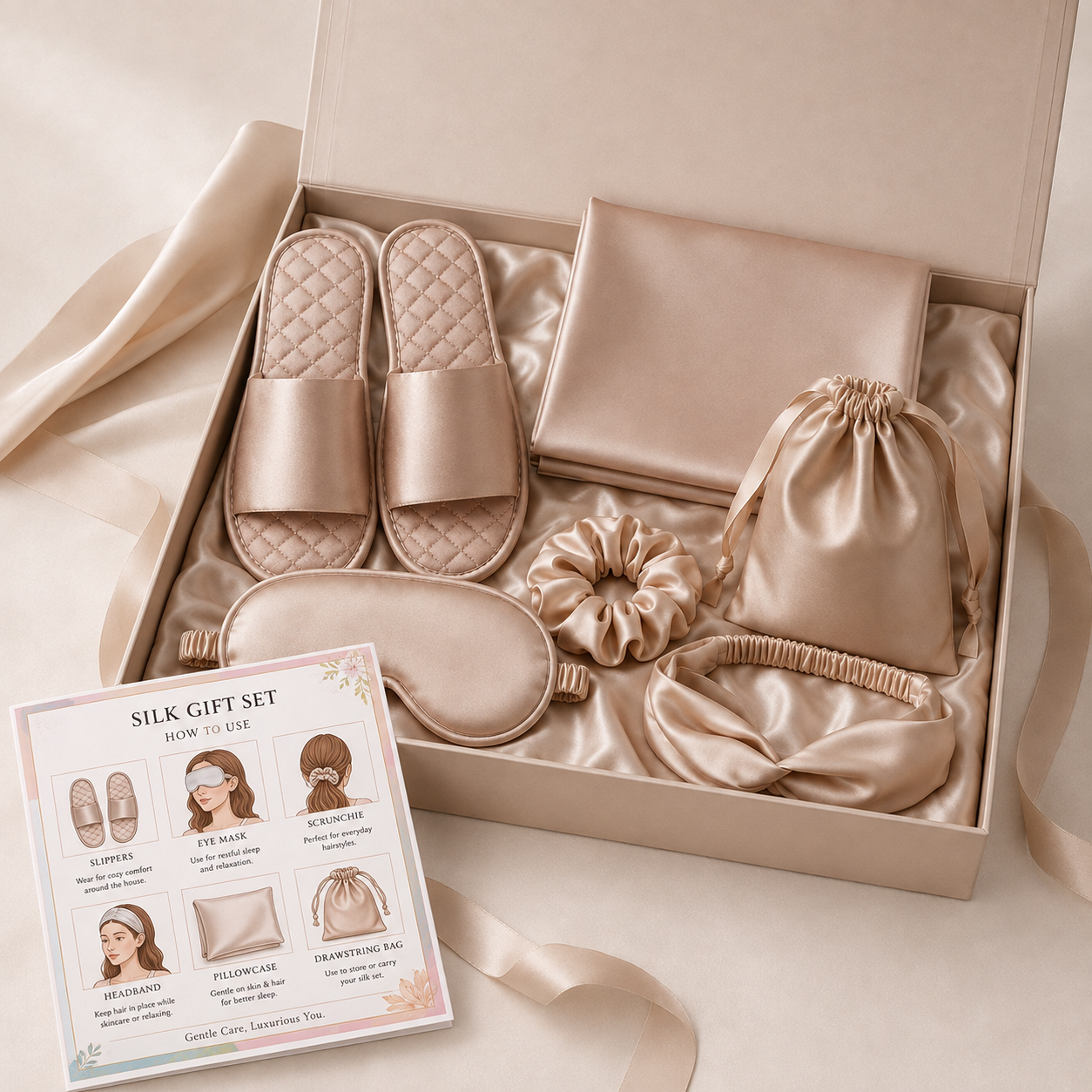
For an employee gift, the experience may matter more. Better packaging, useful everyday products or a small coordinated gift set can make the gift feel much more considered.
Outdoor campaigns are different again. Caps, insulated drinkware, waterproof bags, picnic products and other practical outdoor items are more likely to be used in the environment they were designed for.
Before choosing a product, it helps to answer four simple questions:
Who will receive it?
Where will they use it?
What is the budget?
When does it need to arrive?
Those four answers can quickly narrow a very large catalogue into a much more useful shortlist.
2. Think About Whether People Will Actually Use It
A promotional product has little value if it ends up in a drawer.
We normally prefer products that have a clear use in everyday life.
A well-made bottle can sit on someone's desk for years. A comfortable cap might be worn every weekend. A good tote bag can travel between home, work and the supermarket hundreds of times.
Every time that happens, the branding appears again.
This is one reason practical products often work particularly well for long-term brand exposure. They don't necessarily need to be unusual. Sometimes improving the material, colour, shape or packaging of a familiar product is more effective than choosing something complicated simply because it is new.
The audience also matters.
Products selected for an outdoor brand shouldn't necessarily be the same as those chosen for a financial company, hotel, university or technology business.
The closer the product feels to the recipient's lifestyle, the more naturally it tends to be used.
3. Material Changes More Than the Appearance
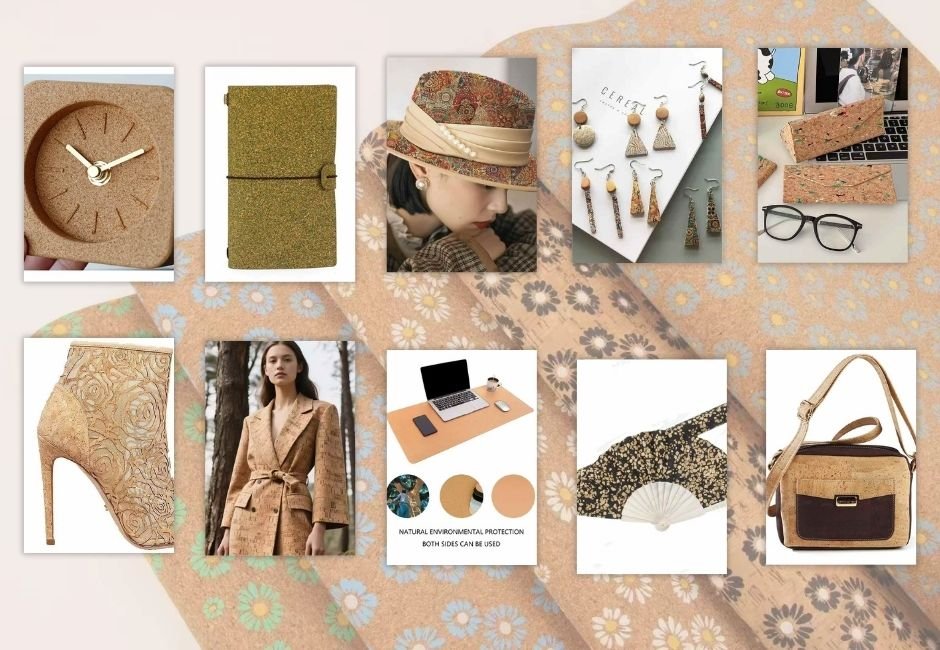
It can change how a product feels, how long it lasts, how well a logo can be reproduced and even how expensive it is to ship.
Take bags as a simple example.
Cotton, canvas, non-woven polypropylene and RPET can all be used to make a promotional bag, but the finished products can feel completely different.
The same applies to drinkware. Stainless steel, aluminium, Tritan and different plastics each have their own advantages depending on the intended use and price level.
For projects with sustainability requirements, material selection needs a little more attention as well.
Recycled polyester, recycled plastics, FSC-certified paper and other lower-impact materials can be good options, but simply changing the material does not automatically make a product suitable for every sustainability programme.
Buyers may also need to consider certification, packaging, product life and the requirements of their own market.
This is why we prefer to look at the complete specification rather than describing a product with one word such as "eco".
4. Choose the Branding Method Around the Product
A logo can look completely different depending on how it is applied.
For straightforward artwork and larger quantities, screen printing is often practical and economical.
For colourful graphics, gradients or detailed artwork, digital printing may give much more freedom.
Embroidery works particularly well on caps, bags and apparel when a more textured finish is wanted.
For metal, wood and some leather products, laser engraving creates a clean result without adding another printed colour to the product.
There are also techniques such as embossing, debossing, heat transfer, woven labels, patches and custom moulding.
The important point is that there isn't one printing method that is best for everything.
The material, artwork, quantity, expected use and budget should decide the process.
Sometimes a simple one-colour logo in the right position looks better than covering the whole product with artwork. On another project, full-colour printing may be exactly what makes the idea work.
Seeing a mock-up — and, where necessary, a physical sample — before production can prevent a lot of problems later.
5. Don't Compare Unit Price Alone
When comparing quotations, the unit price is usually the first number people look at.
It is important, but it doesn't always tell the whole story.
Two products that look almost identical in a photograph can have different materials, thicknesses, components, printing methods or packaging.
There may also be additional costs for:
- printing or logo setup
- individual packaging
- custom boxes
- labels
- freight
- duties and taxes
- inspection
- special testing or certification
Shipping deserves particular attention.
A product with a slightly lower factory price may have a larger carton or heavier packing method, making the delivered cost higher. The opposite can also happen: adjusting the packaging can sometimes save more money on freight than negotiating a few cents from the product itself.
For B2B projects, we find it much more useful to compare the complete specification and landed cost rather than one number on a quotation.
It also makes supplier comparisons much fairer.
6. Check the Details Before Mass Production
Custom production has a lot of small details.
Logo size. Pantone colour. Printing position. Material thickness. Accessories. Labels. Packaging. Carton markings.
None of these sounds particularly complicated on its own, but a misunderstanding in one of them can affect an entire production run.
A typical custom project might move through:
Specification → Artwork → Mock-up → Sample → Approval → Production → Quality Check → Shipping
Not every project needs every step.
For a repeat order with exactly the same specification, for example, a new physical sample may not be necessary. A completely new custom-made product is different and usually deserves more checking before production starts.
The important part is having a clear approved specification.
Photos, dimensions and written details are much safer than relying on assumptions.
And if something isn't clear, it is better to ask before production than to explain it afterwards.
7. Work Backwards From the Delivery Date
Lead time is another area where projects can become unnecessarily stressful.
If products are needed for an event on October 15, October 15 isn't the shipping deadline. It is the date the finished goods should already be with the customer.
The schedule needs to work backwards from there.
Allow time for international transport, customs clearance, production, sample approval and artwork confirmation.
For custom-made products, Chinese New Year and other major holidays can also affect factory schedules. Sea and rail freight can take considerably longer than air freight, while peak seasons can put additional pressure on both production and logistics.
Starting earlier gives buyers more choices.
It may allow a more economical shipping method, a custom colour instead of a stock colour, or enough time to develop packaging rather than using whatever can be produced fastest.
When the deadline is fixed, tell the supplier at the beginning of the enquiry. It is one of the most useful pieces of information they can have.
8. Sometimes the Standard Product Isn't the Right Answer
Not every project has to start with an existing catalogue item.
A standard product can often be changed through colour, material, accessories, packaging or branding.
For more individual projects, it may also be possible to develop a new shape or construction.
This is where OEM and ODM sourcing becomes useful.
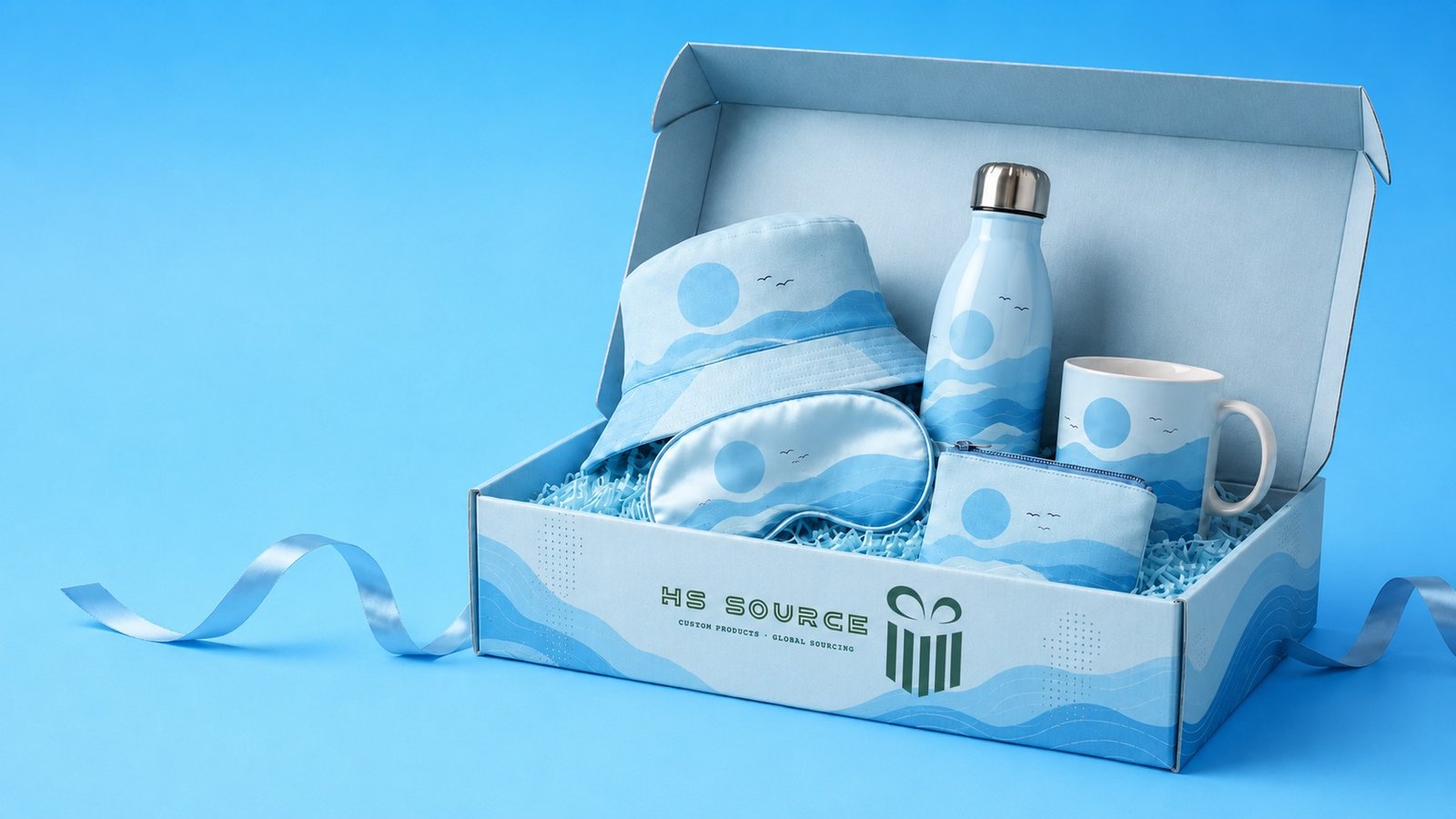
It could be something relatively simple, such as changing the fabric and adding a custom woven label to a bag. Or it could involve creating a mould, developing a completely new accessory or putting several products together into a custom gift set.
The key is knowing which parts are worth customising.
Customisation should serve the idea behind the project. Adding complexity without adding value usually only increases cost and lead time.
A Better Product Starts With a Better Brief
There isn't one promotional product that works for every brand.
A good choice comes from understanding the project first and then finding the right balance between product, material, branding, budget and delivery.
A useful enquiry doesn't need to be complicated either.
If you can provide your quantity, artwork, target price, required delivery date and destination, there is already enough information to start narrowing down the options.
At HS SOURCE, we work with custom promotional products, corporate gifts, outdoor and lifestyle products, packaging and OEM/ODM projects for international clients.
If you already know exactly what you need, send us the specification.
If you only have an idea, that's fine too.
Send us your brief and we'll help you work through the options.